
Blogs
Top 5 Immune System Supplements to Stay Healthy This Cold Season
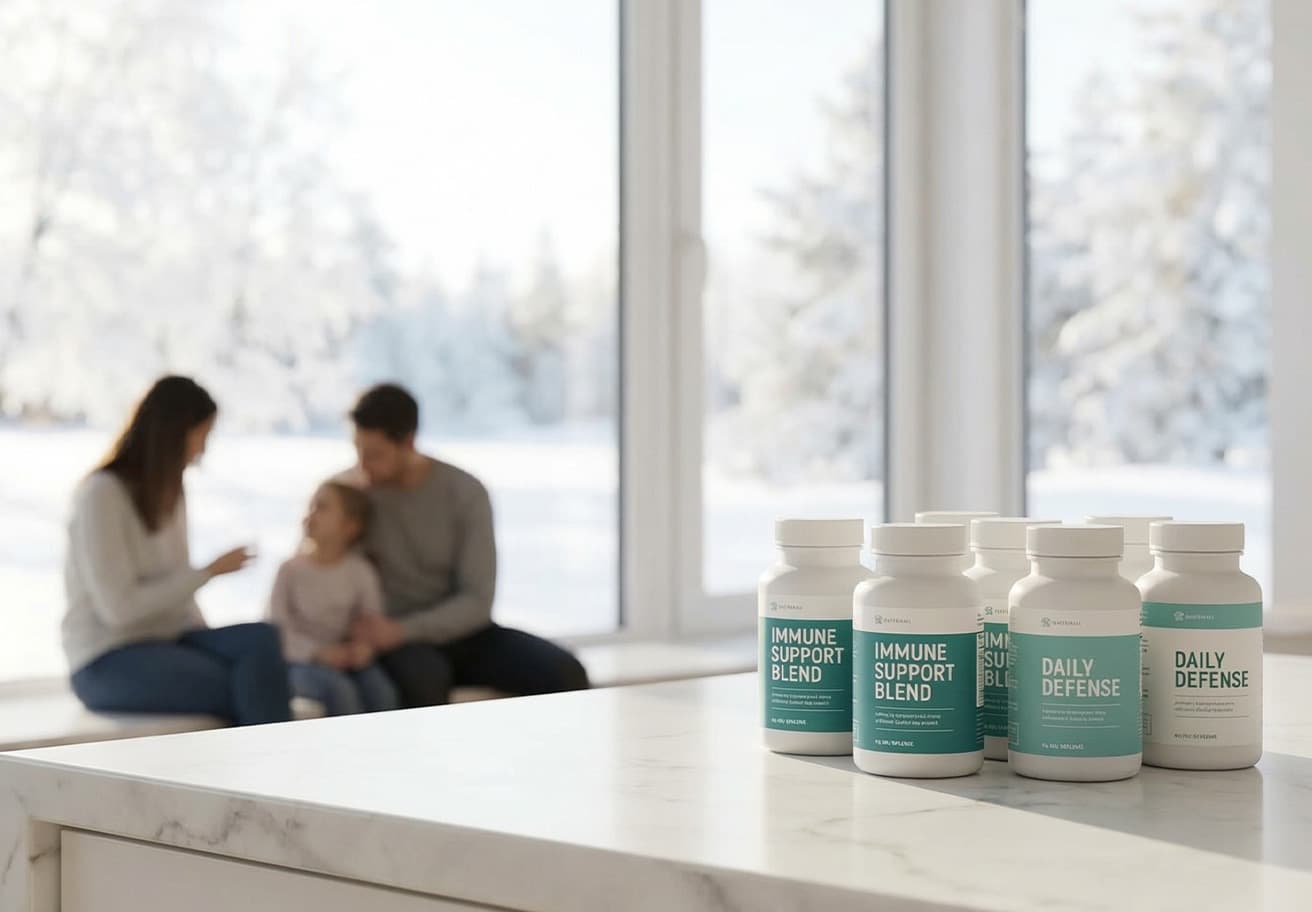
When cold and flu season hits, it is normal to feel on edge. A scratchy throat before a big meeting, a child coughing the night before school, or an older parent who seems to catch everything can leave you asking the same question: Which immune system supplements actually help, and which are a waste of money?
Here is the good news. A few immune support supplements may help your body’s defenses, especially if your diet is low in key nutrients or you are at higher risk of deficiency.
Your community pharmacy can also help you choose safe products and avoid supplement and medication interactions.
What “Immune Support” Really Means
Your immune system is your body’s built-in defense network. It helps recognize and respond to germs like viruses and bacteria.
Supplements do not “turn on” immunity like a light switch. What they can do is help your body get the nutrients it needs to function normally, since vitamins and minerals such as vitamin C, vitamin D, and zinc play roles in immune function.
Cold and Flu Season Basics That Protect Your Family First
Before you spend money on immune system supplements, make sure your foundation is strong. These steps help people of all ages, especially older adults and those with chronic conditions.
Cold season essentials
-
Get vaccinated when appropriate, including an annual flu vaccine, which helps reduce flu risk and complications.
-
Wash hands often and cover coughs and sneezes to reduce spread.
-
Prioritize sleep, because poor sleep can make it harder to bounce back.
-
Stay hydrated and eat regularly, especially when you are busy.
-
Manage stress and stay active, even with short daily walks.
Think of supplements as a support tool, not your only strategy.
How to Choose Immune System Supplements Safely
A dietary supplement is not the same as a prescription medication. Supplements are intended to supplement the diet and are not meant to treat or prevent diseases.
Because supplement rules are different from medicine rules, quality can vary. Here are pharmacy-smart ways to choose safe immune supplements.
1- Look for quality markers
Choose products with third-party verification, which means an independent organization has checked key quality factors. Examples include NSF certification and the USP Verified mark. (NSF)
2- Avoid mega-dose habits
More is not always better. High doses can cause side effects and interact with medications. Your pharmacist can help you stay within safe ranges.
3- Ask your pharmacist first if you are in any of these groups
This is especially important for:
-
Older adults, who are more likely to take multiple medications
-
Pregnant or breastfeeding individuals
-
Parents choosing supplements for children
-
People with chronic conditions such as diabetes, heart disease, kidney disease, or autoimmune conditions
-
Anyone taking blood thinners, immunosuppressants, thyroid medication, or antibiotics
Bring a list of everything you take, including vitamins, herbals, and over-the-counter products.
Top 5 Immune System Supplements for Cold Season Support
Below are five popular immune supplements for the cold season. Learn what they are, who may benefit, what the evidence suggests, and what to watch out for.
1) Vitamin D for Immune Support
What it is
Vitamin D is a fat-soluble vitamin your body makes from sunlight and gets from some foods. It supports many functions, including immune function.
Who may benefit most
Vitamin D is most helpful when its levels are low. People at higher risk include older adults, people with limited sun exposure, and people with absorption issues.
What the evidence suggests
Research on vitamin D and respiratory infections is mixed. Some analyses show more benefit in people who are deficient, while newer research suggests the average benefit may be small. A practical takeaway is to focus on correcting deficiencies rather than taking very high doses.
Pharmacist tips
-
Take vitamin D with a meal that contains some fat for better absorption.
-
If you have lab results, share them. Dosing is easier when levels are known.
Safety note
Too much vitamin D can cause high calcium levels and serious health problems. The tolerable upper intake level for many adults is up to 4,000 IU per day.
2) Vitamin C and Colds
What it is
Vitamin C is a water-soluble vitamin found in fruits and vegetables. It supports normal immune cell function and acts as an antioxidant.
What the evidence suggests
Regular vitamin C supplementation does not prevent colds for most people, but it may slightly shorten cold duration.
Taking vitamin C after symptoms begin does not seem to offer much benefit.
Practical ways to use it
-
Consider using vitamin C as a daily supplement to help fill nutritional gaps if your dietary intake is low.
-
Food-first options include citrus, kiwi, strawberries, and bell peppers.
Safety note
High doses can cause diarrhea and stomach upset. The tolerable upper intake level for adults is 2,000 mg per day.
3) Zinc for First Signs of a Cold
What it is
Zinc is a mineral that supports immune cell development and helps maintain healthy barriers such as skin and the lining of the nose and throat.
What the evidence suggests
Zinc is best known for use at the first sign of a cold, especially as lozenges. Research results are mixed, and side effects are common, so pharmacist guidance is helpful before starting.
Pharmacist tips
-
Check your multivitamin before adding extra zinc, since many products already include it.
-
If you take antibiotics, timing matters. Zinc can interfere with absorption if taken at the same time.
Safety note
Too much zinc can cause nausea and, over time, may lower copper levels. The tolerable upper intake level for adults is 40 mg per day from food and supplements combined.
4) Elderberry (Sambucus) for Immune Support
What it is
Elderberry is an herbal product made from the berries of the elder plant. It is commonly sold as syrups, gummies, and lozenges.
What the evidence suggests
A systematic review found Elderberry may be a safe option for viral respiratory illnesses, but evidence for benefits and harms remains uncertain. It might help some people, but the results are not consistent.
Important safety reminders
-
Do not use raw or unripe elderberries, or homemade products made from leaves or stems. They can contain cyanide-producing substances that cause nausea, vomiting, and severe diarrhea. Cooking eliminates the toxin, which is why reputable commercial products are preferred.
-
Pregnancy and breastfeeding safety data are limited. Ask a clinician or pharmacist first.
Pharmacist tips
-
Watch for added sugars in syrups, especially for diabetic patients.
-
Ask about potential herb and drug interactions if you take medications regularly.
5) Probiotics and Upper Respiratory Infections
What they are
Probiotics are live microorganisms, often called “good bacteria,” that support gut health. Not all products labeled “probiotic” have proven benefits.
Why probiotics are on an immune list
The gut and immune system are closely connected. Evidence reviews suggest probiotics may be more effective than a placebo or no treatment for preventing acute upper respiratory tract infections.
How to choose a probiotic well
-
Look for labels that list genus, species, and strain, such as Lactobacillus rhamnosus GG.
-
Check CFU amounts (the number of live, active bacteria in a probiotic) at the end of shelf life, not just at manufacture.
Safety note
Probiotics are usually well-tolerated in healthy people. Rare serious infections have occurred in severely ill or immunocompromised individuals. Ask a clinician or pharmacist first if you have a weakened immune system.
Quick Guide: Which Immune System Supplement Fits Your Situation?
This is general guidance, not a personal prescription.
-
Indoors most days or limited sun exposure: Ask about vitamin D and whether testing is appropriate.
-
Low fruit and vegetable intake: Consider vitamin C, preferably from food first.
-
Want something for first cold symptoms: Discuss zinc so you can use it safely and avoid excessive dosing.
-
Prefer an herbal option: Elderberry may be worth discussing for short-term use, but quality and safety matter.
-
Want a daily routine option with evidence for upper respiratory tract infection prevention: Ask about probiotics, focusing on strain and CFU labeling.
When to Skip Self-Care and Call a Clinician
Supplements are not the right tool for every situation. Seek medical advice if you or your child has:
-
Trouble breathing, chest pain, or worsening asthma symptoms
-
Signs of dehydration, such as very dark urine, dizziness, or inability to keep fluids down
-
High fever that does not improve, or symptoms that rapidly worsen
-
Symptoms lasting longer than 7 to 10 days, especially in older adults or people with chronic conditions
Stay up to date on proven prevention steps such as vaccination and hygiene practices.
Conclusion: Get Pharmacist Help Choosing Immune Support Supplements
A strong cold-season plan is simple and consistent. Focus on daily habits, preventive care, and carefully chosen immune system supplements when they truly fit your needs.
Visit or call our pharmacy for a quick supplement check. We can review your medications, help you select high-quality products, and build a practical plan for you and your family this cold season.