Blogs
How to Know If You’re Having a Drug Reaction
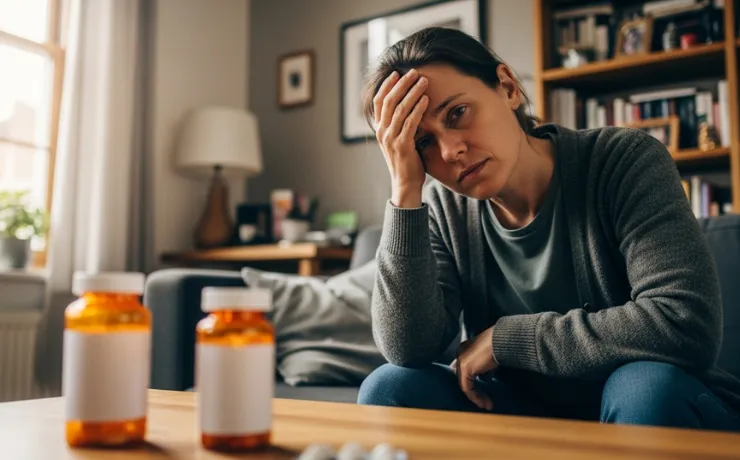
Starting a new medication can bring relief from symptoms — but sometimes, it can also cause unexpected side effects or allergic reactions. Understanding the difference between a normal side effect and a serious drug reaction is an important part of staying safe while taking prescription or over-the-counter medications.
Pharmacists play a key role in helping patients recognize, manage, and prevent medication-related issues. This guide will help you understand what a drug reaction is, what to watch for, and when to seek help.
What Is a Drug Reaction?
A drug reaction (also called an adverse drug reaction or adverse effect) occurs when your body responds to a medication in a harmful or unexpected way.
Drug reactions can happen with prescription medications, over-the-counter products, vitamins, or herbal supplements. They may occur immediately after taking a dose or develop gradually over time.
While many reactions are mild, some can be serious and require medical attention right away.
Common Types of Drug Reactions
Not all reactions are the same. Here are the most common categories pharmacists and healthcare providers use to describe them:
1. Allergic Reactions
An allergic drug reaction happens when your immune system mistakenly treats a medication as a harmful substance. Common examples include allergies to antibiotics like penicillin or sulfa drugs.
Symptoms may include:
-
Rash or hives
-
Itching
-
Swelling of the lips, tongue, or face
-
Wheezing or shortness of breath
Severe cases can lead to anaphylaxis, a life-threatening reaction that requires emergency medical care.
2. Side Effects
Not all side effects are dangerous — many are simply unwanted or uncomfortable.
Common side effects include:
-
Upset stomach or nausea
-
Drowsiness
-
Headache
-
Mild dizziness
-
Dry mouth
If these symptoms are mild and temporary, they usually improve as your body adjusts. However, if they persist or interfere with your daily life, your pharmacist or doctor can often recommend an alternative medication or dose adjustment.
3. Drug Interactions
Sometimes, a drug can react with another medication, food, or supplement you’re taking, changing how it works in your body.
Examples include:
-
Certain antibiotics reducing the effectiveness of birth control pills
-
Grapefruit juice increasing drug levels in the blood
-
Antacids affecting absorption of other medications
Pharmacist Tip: Always tell your pharmacist about everything you take — including herbal remedies, vitamins, and over-the-counter products.
4. Intolerance or Sensitivity
An intolerance is not an allergy — it means your body has difficulty processing a medication.
Example: A patient who feels nauseous after taking codeine is not allergic to it but may be sensitive to its effects.
Your pharmacist can often recommend alternative medications that your body tolerates better.
Signs You Might Be Having a Drug Reaction
Some drug reactions are mild, but others can signal something more serious.
Here’s what to look for:
Mild to Moderate Symptoms
-
Upset stomach or diarrhea
-
Headache or fatigue
-
Skin rash or itching
-
Mild swelling at an injection site
-
Drowsiness or dizziness
These symptoms should be reported to your pharmacist, especially if they continue for more than a few days.
Serious Symptoms (Seek Medical Help Immediately)
-
Difficulty breathing or swallowing
-
Swelling of the face, lips, or throat
-
Chest pain or irregular heartbeat
-
High fever or blistering rash
-
Confusion, fainting, or severe weakness
-
Yellowing of the skin or eyes (a sign of liver issues)
If you experience any of these symptoms, call 911 or go to the nearest emergency room.
How Soon Can a Drug Reaction Occur?
Drug reactions can happen at any time — right after your first dose or after you’ve been taking a medication for weeks or months.
-
Immediate reactions (like allergies) usually appear within minutes to hours.
-
Delayed reactions (such as skin rashes or organ effects) may develop days or even weeks later.
Because of this, it’s important to pay attention to any new or unusual symptoms, even if they appear long after you started taking the medication.
What to Do If You Suspect a Drug Reaction
If you think you’re having a reaction, follow these steps:
-
Stop taking the medication — but only if the symptoms are severe or clearly worsening. For mild symptoms, call your pharmacist or doctor first.
-
Contact your pharmacist. They can help determine if what you’re experiencing is a known side effect or something more serious.
-
Seek emergency help if you experience difficulty breathing, chest pain, or severe swelling.
-
Document your symptoms. Note when they started, how long they last, and whether they occur after taking a specific dose.
-
Bring all your medications — including over-the-counter products — when visiting your pharmacist or doctor for evaluation.
How Pharmacists Help Identify and Prevent Drug Reactions
Pharmacists are highly trained in medication safety. They play a crucial role in preventing and identifying potential reactions before they happen.
Here’s how they help:
1. Reviewing Your Medication List
Pharmacists check for drug interactions, duplicate therapies, or allergy risks every time you fill a prescription.
2. Offering Personalized Counseling
They explain how and when to take your medication, what side effects to expect, and what symptoms should prompt you to call your doctor.
3. Monitoring Over Time
Your pharmacist can help track your progress and adjust your medications (with your doctor’s approval) if you experience side effects.
4. Reporting Adverse Reactions
Pharmacists can report serious drug reactions to the FDA’s MedWatch program, helping improve medication safety for others.
Pharmacist Tip: Never hesitate to ask questions about your medications — your pharmacist’s goal is to keep you safe and informed.
Preventing Drug Reactions in the Future
Here are practical ways to reduce your risk of experiencing a drug reaction:
-
Keep an updated medication list. Include all prescriptions, OTC drugs, vitamins, and supplements.
-
Use one pharmacy for all prescriptions, so your pharmacist can monitor for potential interactions.
-
Read the medication label and insert. Know common side effects and what to watch for.
-
Take medications as directed. Do not skip or double doses without advice.
-
Report any past drug allergies to your pharmacist and doctor before starting new medications.
-
Ask before mixing products. Even seemingly harmless remedies can interfere with prescription drugs.
Being proactive helps your healthcare team protect you from unnecessary risks.
When to Call Your Pharmacist vs. Your Doctor
-
Call your pharmacist if you’re experiencing mild symptoms like dizziness, upset stomach, or drowsiness. They can often suggest ways to manage or minimize these effects.
-
Contact your doctor for persistent or worsening symptoms that may require adjusting your medication or dosage.
-
Seek emergency help immediately if you have symptoms of an allergic reaction, chest pain, severe rash, or difficulty breathing.
The Bottom Line
Understanding your medications — and how your body responds to them — is essential for safe and effective treatment.
If you ever suspect you’re having a drug reaction, don’t ignore the signs. Contact your pharmacist or healthcare provider for guidance. Acting early can prevent serious complications and help you find safer, more comfortable alternatives.
Your pharmacist is always available to answer questions, review your medication list, and ensure you’re taking every medication safely. By working together, you can stay informed, protected, and in control of your health.